There’s a moment — a quiet one — when the sale happens.


April 17, 2026
There’s a moment — a quiet one — when the sale happens.
Not at the contract stage. Not on the agent’s call. Not in the “we have two more viewings today.” It happens when someone walks in and, without quite knowing why, thinks: this is it.
Developers sell the future. And that’s a thankless task, because the future can’t be touched. You can measure it on a floor plan, yes. You can promise it through materials, renders, metrics. But what makes someone move forward rarely comes from adding up features. It comes from certainty. And that certainty is emotional — even when it wears the clothes of rationality.
This is where Interior Design stops being a “final layer” and becomes structure.
For years, we’ve grown used to treating interiors as decoration. As if they were a package you add once everything else is resolved. In real-estate development, that creates a dangerous misunderstanding: thinking the interior exists to “beautify” a product that’s already finished. In practice, it’s the opposite. Interior Design, when conceived as strategy, is what makes the product sellable. Not by making it prettier, but by making it clearer. Clear to the buyer, clear to the visitor, clear to the comparer, clear to the decision-maker. Because a property doesn’t compete only with other properties. It competes with alternative lives.
To compete with alternative lives is to compete with expectations. With habits. With the mental image of what it means to “come home.” With the way a family moves, the way an investor projects return, the way an international buyer looks for safety in a place they don’t yet know. And, more often than not, what’s missing in sales isn’t square meters. It’s translation. A floor plan can be correct and still fail to convince. A living room can be generous and still feel cold. A bedroom can have good dimensions and still not “happen.” It isn’t an architectural mistake. It’s the absence of narrative. It’s a space that isn’t saying anything.
When a developer tells me, “we need to sell better,” I rarely think “more.” I think “better said.” Better said for the right audience.
The partnership between developer and interior designer is, at its core, an alignment exercise: who are we calling in? Who do we want to imagine themselves here? What life are we selling — without having to explain it? A model apartment (or a staged unit) shouldn’t be a showroom of trends. It should be a precise answer. A prototype for living. Proof that the property can hold everyday life — and that everyday life becomes simpler here.
Good interiors don’t shout. They guide. They guide the eye to what matters. They make the space feel larger without promising it. They solve the “where does this go?” before anyone asks. They create pauses inside a home that moves fast. And, above all, they reduce the mental effort of deciding. A buyer decides faster when they feel someone has already decided what matters most.
This is particularly visible with international buyers. Buying outside your own country comes with extra layers of uncertainty: “will this work for me?”, “will this be easy?”, “is this safe?”, “is it worth the price?” No one says this out loud during a viewing. But the body responds. And a well-designed interior is a form of answer — without speech, without explanation, without pressure. There’s another dimension people rarely talk about: Interior Design also serves the developer in what doesn’t show up in the photo.
It serves consistency. The ability to replicate a language across multiple units without making everything the same. It serves in defining a level of quality that doesn’t depend on the “taste” of whoever is deciding that day. It serves in building a standard — not a catalogue, but a criterion. A method.
And method, in a development context, is protected money.
Protected because it reduces late-stage indecision. Because it prevents purchases that don’t speak to one another. Because it anticipates site issues that would otherwise surface in after-sales. Because it creates a smoother relationship between teams, suppliers, timelines, and deliveries.
But even this — however pragmatic — always returns to the same point: the sale.
Selling better isn’t selling with more noise. It’s selling with more truth. And the truth of a property isn’t only its structure. It’s how it’s lived.
When we design interiors for a developer, we’re not “making it pretty.” We’re giving the property what it needs to be chosen. We’re putting the future on its feet. Making it visitable. Making it feel inevitable.
A space can be correct and still not be resolved.
Resolving is something else. Resolving is when a home stops being a set of rooms and becomes a story with a beginning, middle, and end. When circulation feels natural, when light has intention, when storage isn’t an afterthought, when material isn’t just a “finish” but a language. When someone walks in and senses — without effort — that there is direction here.
That is what a developer buys when they work with us: direction. A vision that doesn’t stop at “decoration,” but gives substance to the project’s promise.
And in the end, that’s what we’re always selling.
Life, frame by frame.
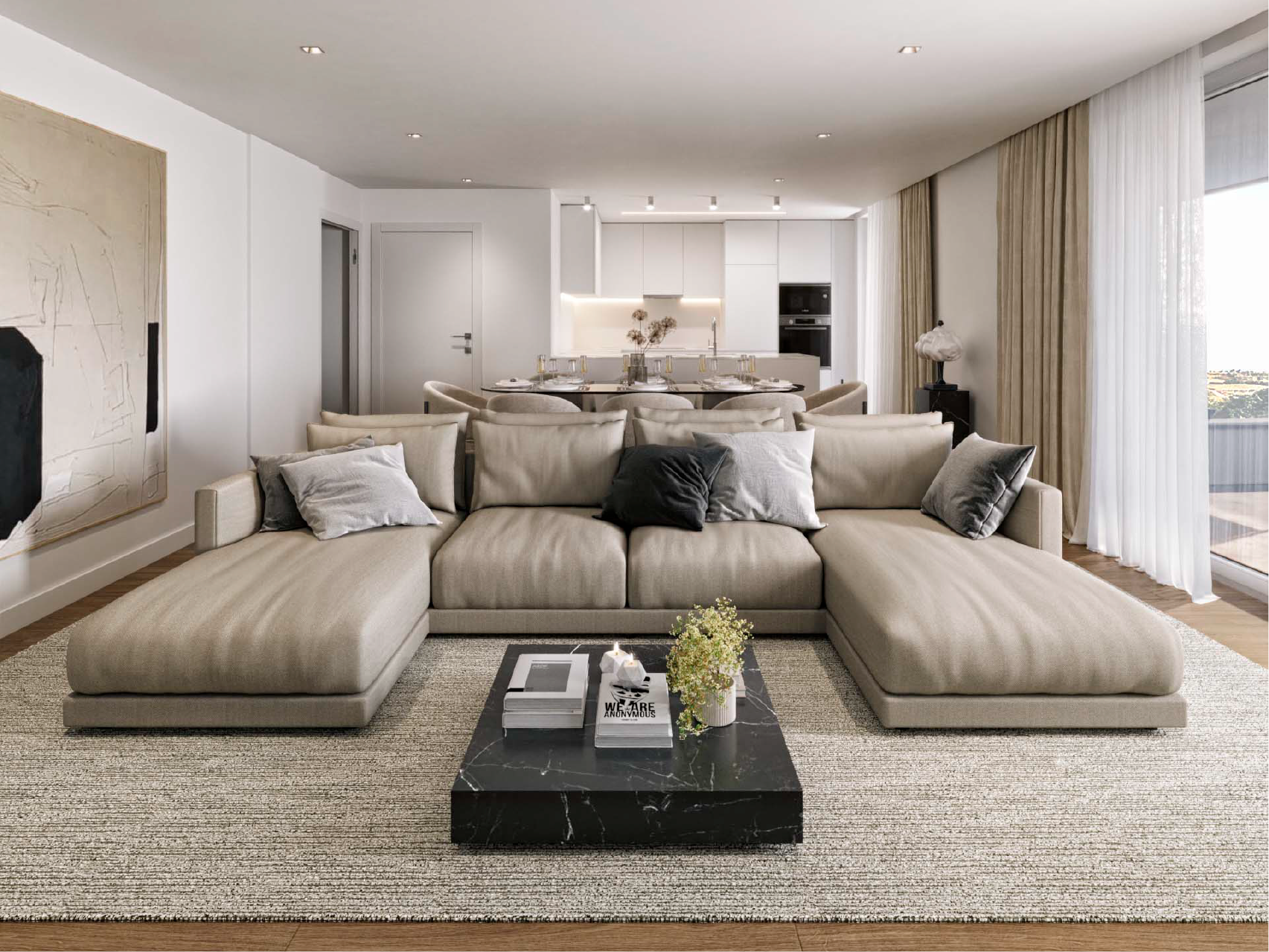
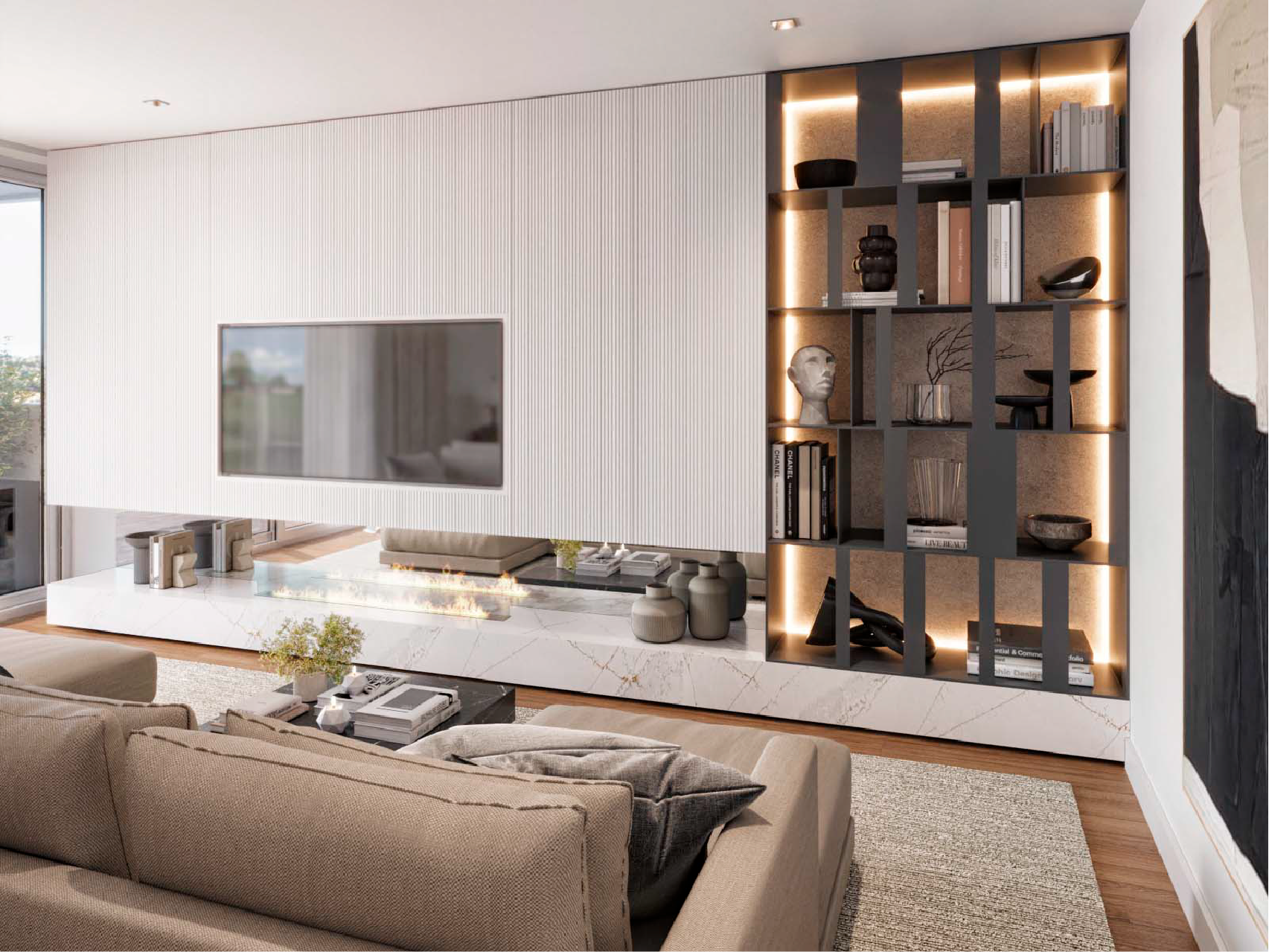
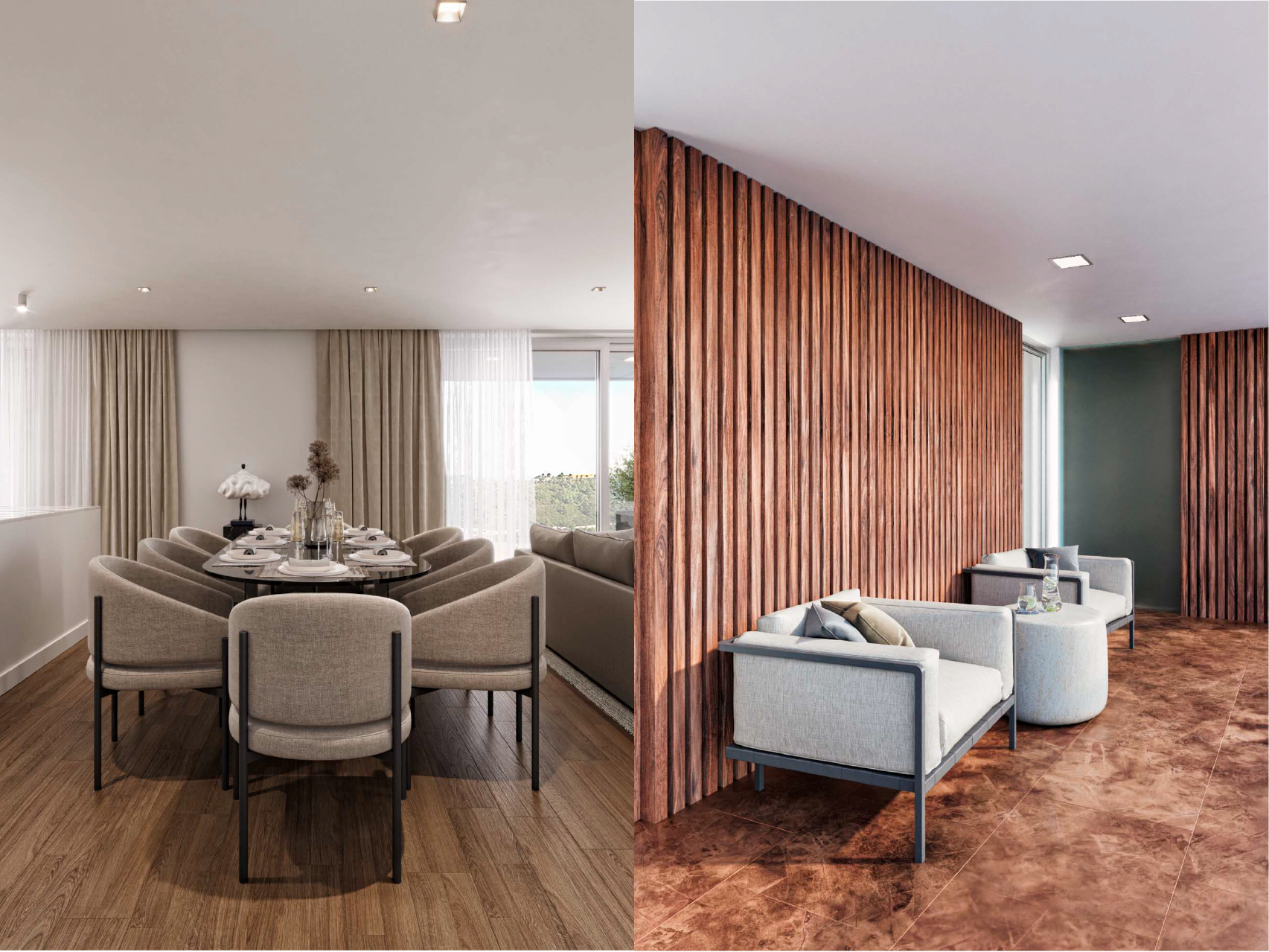
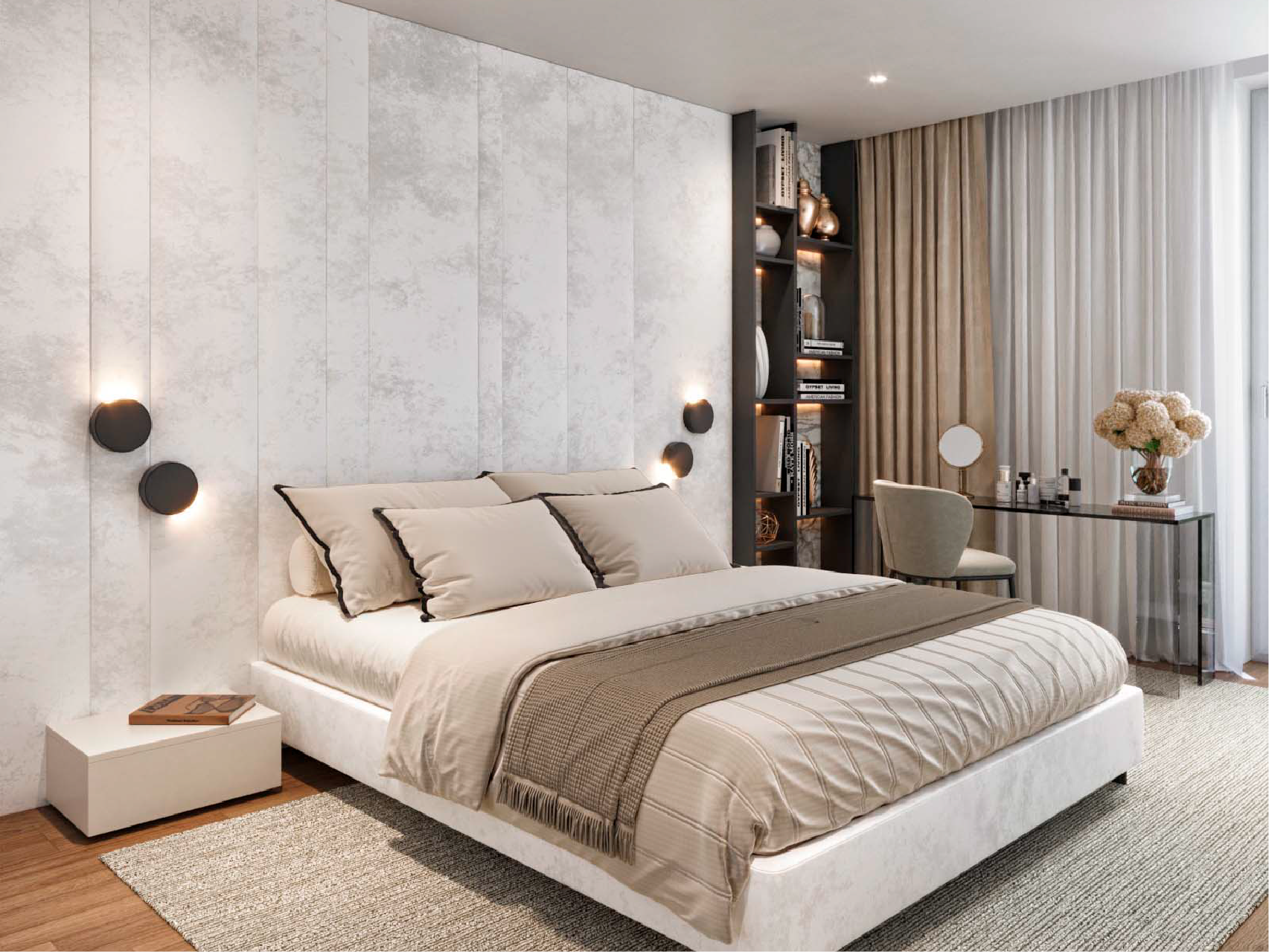
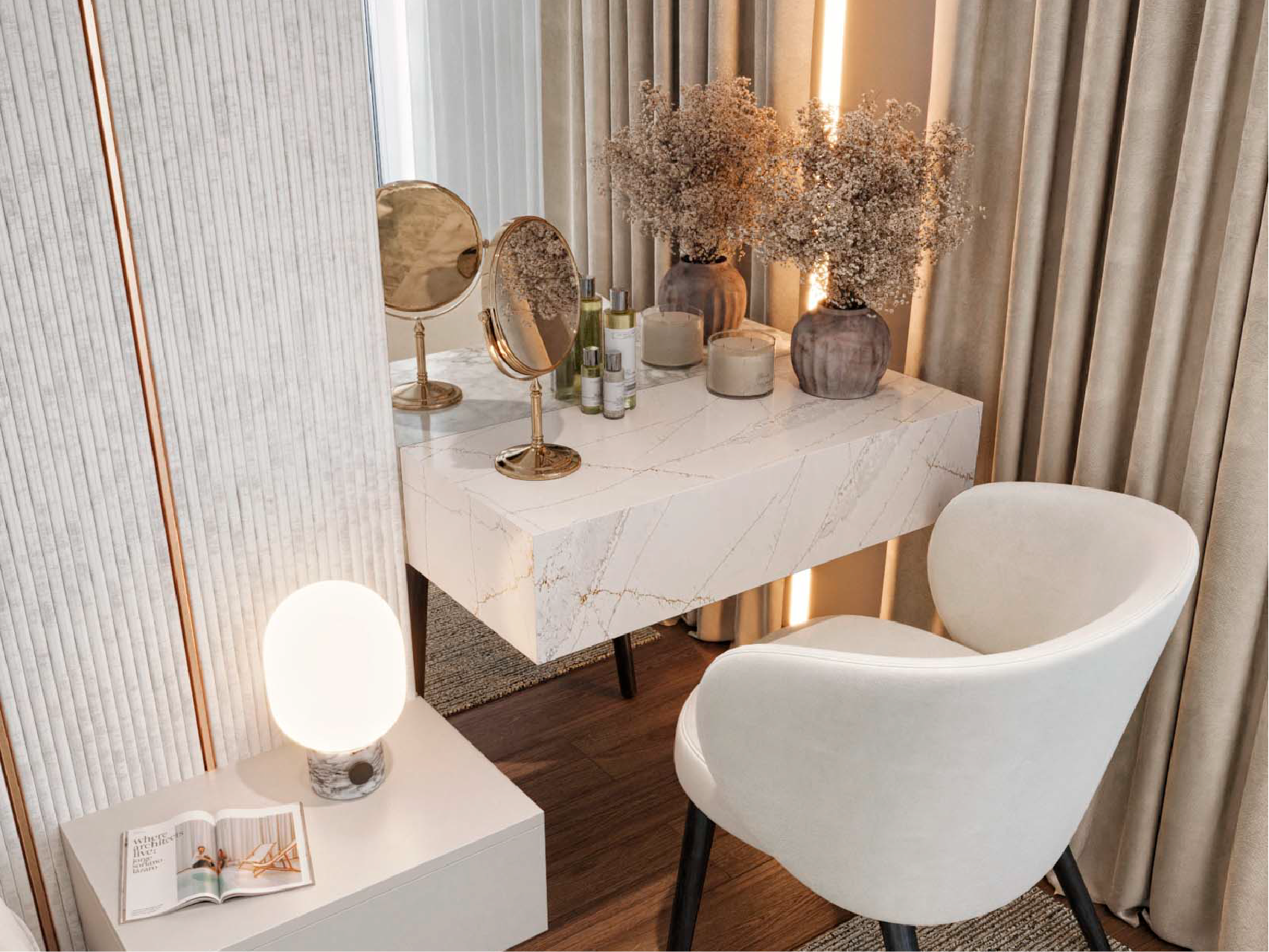
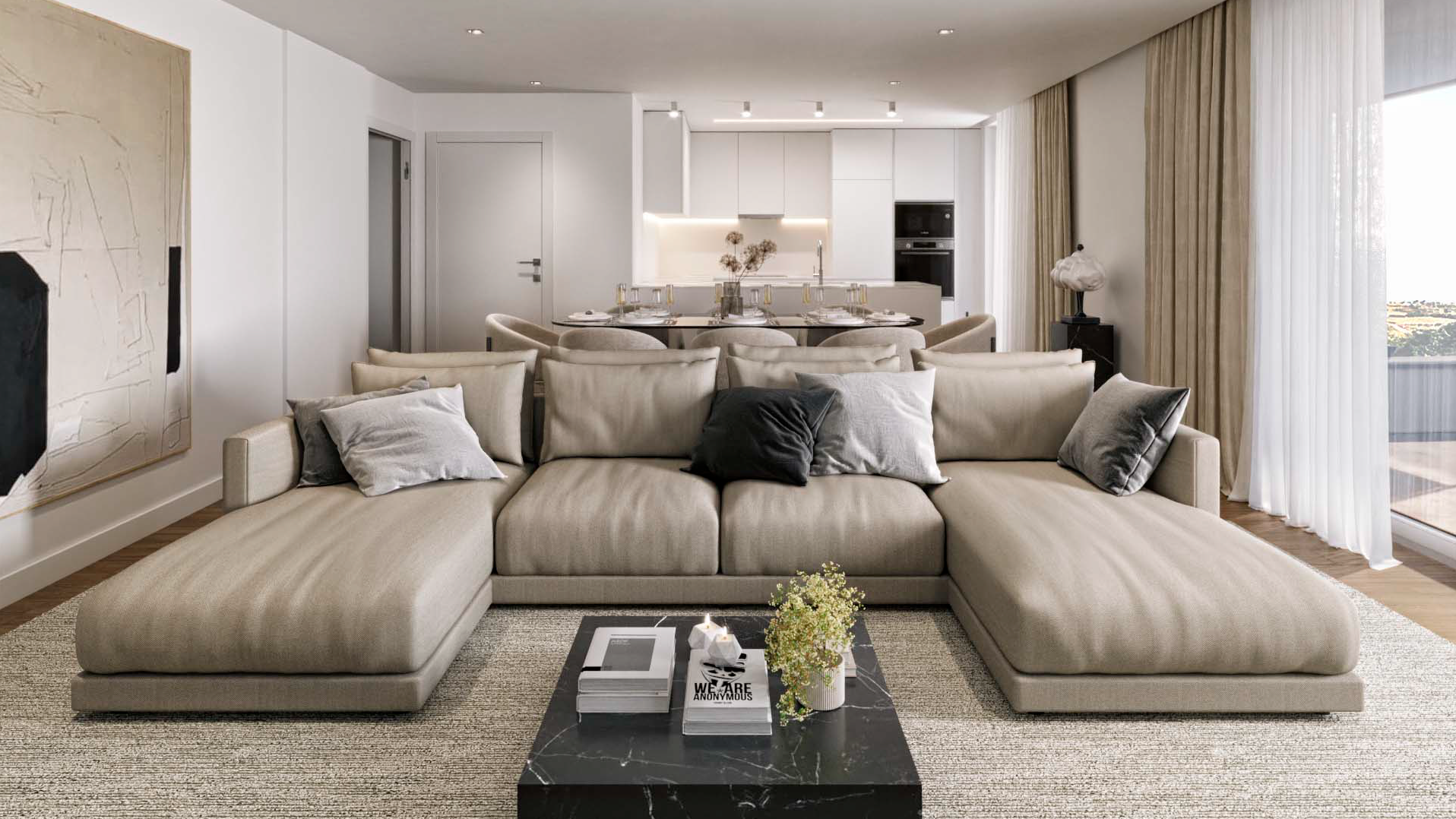
Work developed for ENNE Engenharia e Construção


